



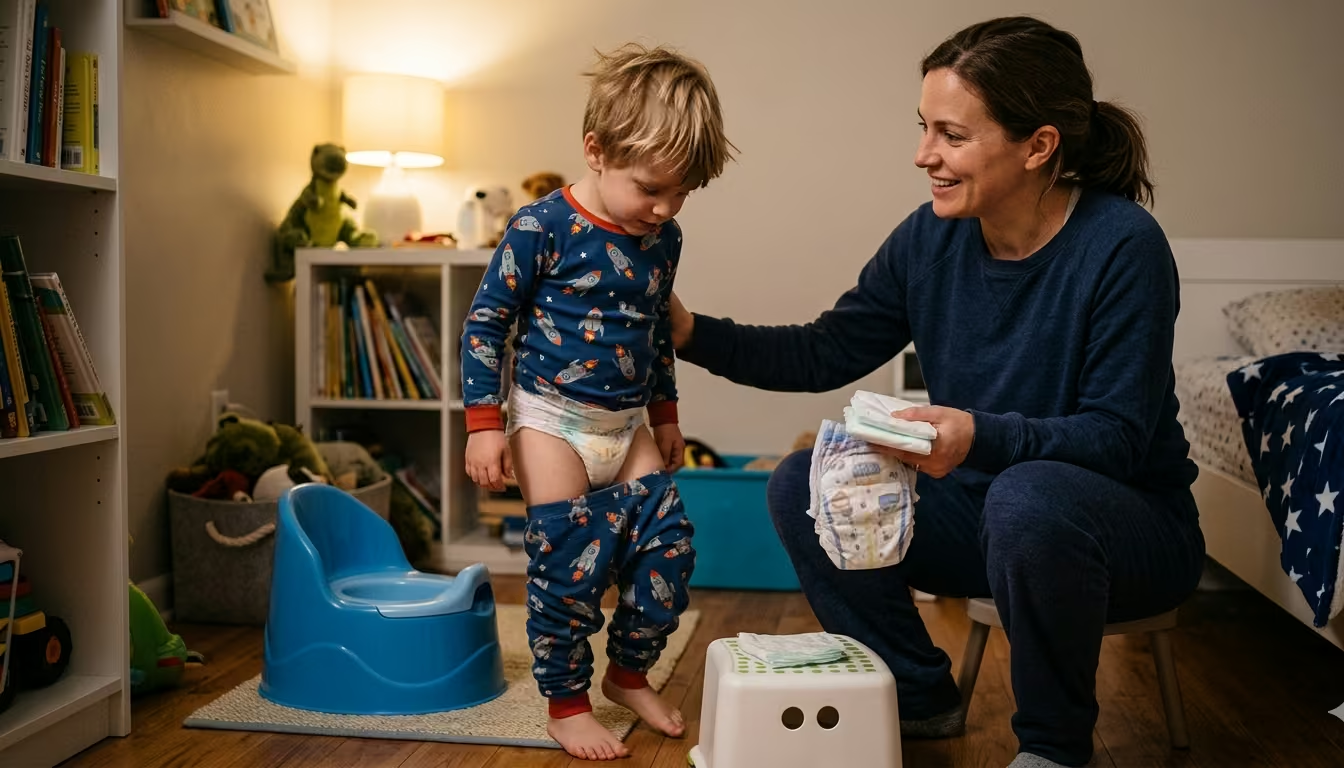
Bedwetting Alarm vs Pull-Ups – What Really Works?
Why This Comparison Matters
When a child struggles with bedwetting, parents usually turn to two common solutions: pull-ups or bedwetting alarms. On the surface, both seem helpful, but they work in very different ways.
Pull-ups are designed to manage the problem by preventing messes, while bedwetting alarms are designed to solve the problem by training the brain and bladder to respond correctly during sleep. Understanding this difference is key to choosing the right long-term solution. For a detailed side-by-side explanation, see this guide to bedwetting alarms versus pull-ups
Many families start with convenience, but later realize that convenience and correction are not the same thing.
What Pull-Ups Actually Do (and Don’t Do)
Pull-ups are absorbent garments designed to contain urine during the night. They are helpful for reducing laundry and keeping the bed dry, especially during travel or early potty training stages.
However, pull-ups do not train the body. The child continues to urinate in their sleep without learning when or how to wake up. This creates a dependency loop where the brain never fully develops the signal-response connection needed to stop bedwetting.
In simple terms, pull-ups manage the symptom but do not address the cause.
Over time, this can unintentionally delay progress because the child does not experience the discomfort needed to trigger behavioral conditioning.
How Bedwetting Alarms Work Differently
A bedwetting alarm is designed to create a learning response in the brain. When moisture is detected, the alarm activates sound, vibration, or light, waking the child at the exact moment bedwetting begins.
This builds a neurological connection between bladder fullness and waking up. Over time, the brain learns to respond to internal signals before bedwetting occurs.
You can explore a clinically designed system like the Bedwetting Alarm to understand how these systems are structured.
Unlike pull-ups, alarms are not passive. They actively train the body to stop bedwetting permanently rather than contain it.
Why Training the Brain Is the Real Solution
Bedwetting is not just a plumbing issue—it is a sleep arousal and brain signaling issue. Many children sleep too deeply to recognize bladder signals.
A training-based system like the Chummie Bedwetting Alarm helps retrain this response loop. Over time, the brain begins to recognize bladder pressure earlier and triggers natural waking before accidents happen.
This is why alarms are considered a behavioral treatment rather than a temporary fix. They target the root cause rather than masking the outcome.
Pull-ups, on the other hand, do not influence brain training at all, which is why progress often stalls when they are used alone.
Comparing Long-Term Results: Alarms vs Pull-Ups
The biggest difference between the two solutions is long-term effectiveness.
Pull-ups:
- Provide immediate dryness
- Require continuous use
- Do not reduce bedwetting frequency over time
Bedwetting alarms:
- Require consistency and patience
- Train natural bladder control
- Can lead to long-term or permanent dryness
Products like the Chummie Elite Bedwetting Alarm and Chummie Premium Bedwetting Alarm are designed specifically to support different sleep types, from light sleepers to deep sleepers.
This difference is important: one approach manages hygiene, while the other builds independence.
When Pull-Ups Still Make Sense
Although pull-ups are not a cure, they can still be useful in specific situations. For example, during travel, sleepovers, or the early transition phase of toilet training, they provide reassurance and reduce stress for both child and parents.
However, they should not replace training-based solutions if the goal is to Stop Bedwetting Permanently.
The most effective approach in many cases is a combination strategy: using pull-ups temporarily while simultaneously starting alarm-based training.
Why Bedwetting Alarms Are Recommended by Experts
Most pediatric specialists and continence educators recommend bedwetting alarms as a first-line behavioral treatment for persistent bedwetting. This is because they directly target the sleep arousal mechanism rather than suppressing symptoms.
Research and clinical experience show that consistent use of alarms leads to better long-term outcomes compared to absorbent products alone.
For a deeper medical perspective, you can read Truth about bedwetting alarms.
This article explains how alarms work and why they are considered one of the most effective non-pharmaceutical treatments available today.
Conclusion
Pull-ups offer convenience, but they do not solve bedwetting. Bedwetting alarms require effort, but they build long-term independence.
If the goal is simply dry nights with no interruption, pull-ups may seem easier. But if the goal is to help a child permanently outgrow bedwetting, training through alarms is the more effective path.
Solutions like the Chummie Bedwetting Alarm system are designed specifically for this long-term transformation—helping children move from dependency to confidence, one night at a time.
Related Articles
Why Some Bedwetting Alarms Work Faster Than Others
Best Bedwetting Alarm for Deep Sleepers – Why Chummie Works When Others Fail
How to Use a Bedwetting Alarm Correctly – Step-by-Step Guide for Parents
No Comments
Sorry, the comment form is closed at this time.